

Happy New Year{{first_name|Reader}}!
I tracked every watch I wore in 2025. All 365 days. Every single morning, I logged which watch went on my wrist.
The results proved something I suspected but didn't want to admit: most of my collection is irrelevant.
Three watches accounted for 81% of my wrist time. The other five watches—brands I respect, models I researched, pieces I intentionally bought—barely got worn.
This is the 80/20 rule in action. And the data doesn't lie.
(I’m always looking for feedback. Let me know! Reply to the email.)
TLDR
The Data

Article written 12/26, images from 12/28
Here's what 365 days of tracking revealed:
Wrist Time by Brand:
Rolex: 45% (164 days)
Omega: 21% (77 days)
Sheffield: 15% (55 days)
Victorinox Swiss Army: 5% (18 days)
Garmin, Hamilton, Seiko, Serica: 14% combined (51 days total)
The 80/20 Breakdown:
My top three watches—Rolex, Omega, Sheffield—accounted for 81% of my wrist time.
The other five watches? Just 19%. Barely relevant.
The Watches That Dominated

Article written 12/26, images from 12/28
1. Rolex Explorer II 226570 — 45% (164 Days)
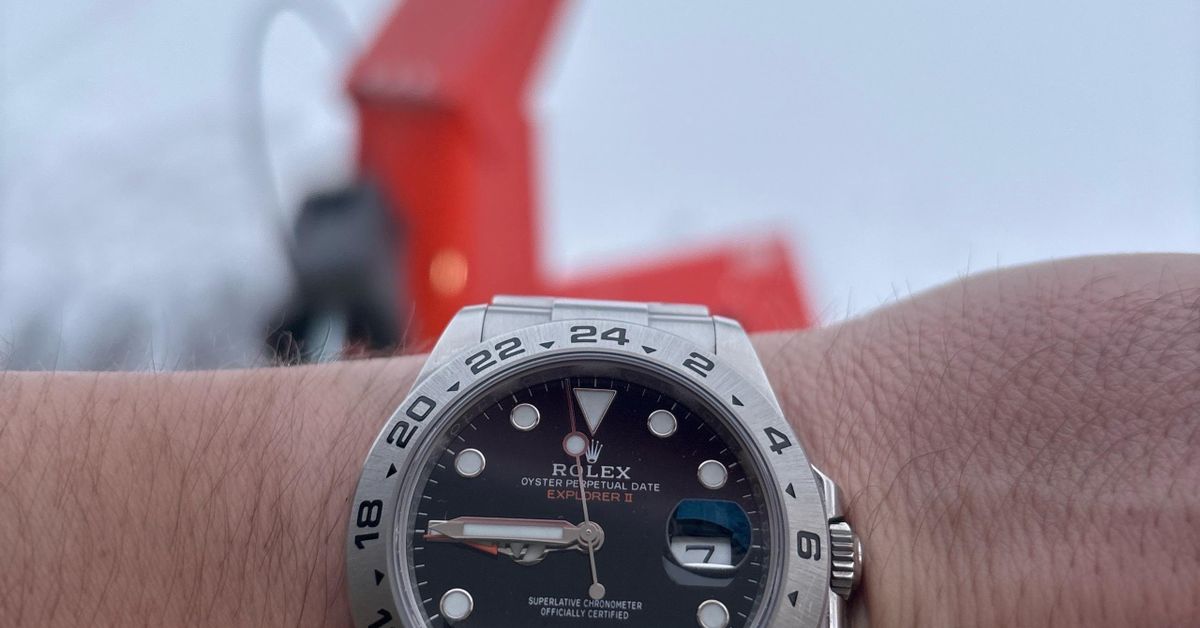
This is the watch that won 2025.
I tried to rotate. I told myself I'd give every watch in my collection equal time. But the Explorer II kept calling me back.
Why it dominated:
Comfort. I forget I'm wearing it. It sits perfectly on my wrist, doesn't catch on sleeves, doesn't feel heavy by the end of the day.
Versatility. Gym, office, wedding, weekend hike—it just works everywhere for me. I never look down and think "wrong watch for this situation."
Emotional connection. This is the watch I wanted since I was a kid. Every time I glance at my wrist, I'm reminded of the work I put in to get here. That connection doesn't fade.
And honestly? It's just the best watch I own. I'm a fanboy. I'll admit it.
Cost-per-wear: $9,500 ÷ 164 days = $57.92 per wear in 2025 alone. Wear it every day for five years and that number drops to under $6 per day. This watch will outlive me.
2. Omega Seamaster Aqua Terra 231.10.42.21.01.002 — 21% (77 Days)
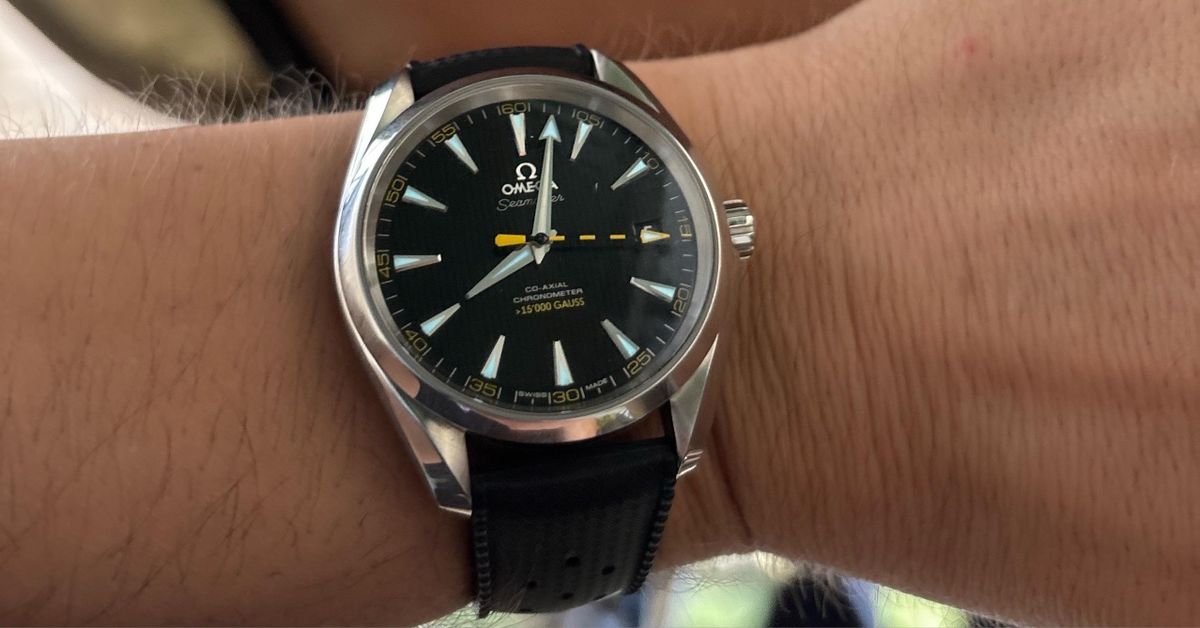
The Aqua Terra (Bumblebee) got its biggest block of wrist time during a month-long trip to the jungle in Indonesia.
I needed a watch that could handle sweat, humidity, dirt, and daily abuse. The Aqua Terra delivered. It never skipped a beat.
But outside of that trip, it didn't get much rotation. It's a great watch. I just don't reach for it when I'm home.
Cost-per-wear: $3,500 ÷ 77 days = $45.45 per wear. Still reasonable. But it's clear this is a "special occasion" or "travel" watch, not a daily driver.
3. Sheffield GMT White — 15% (55 Days)
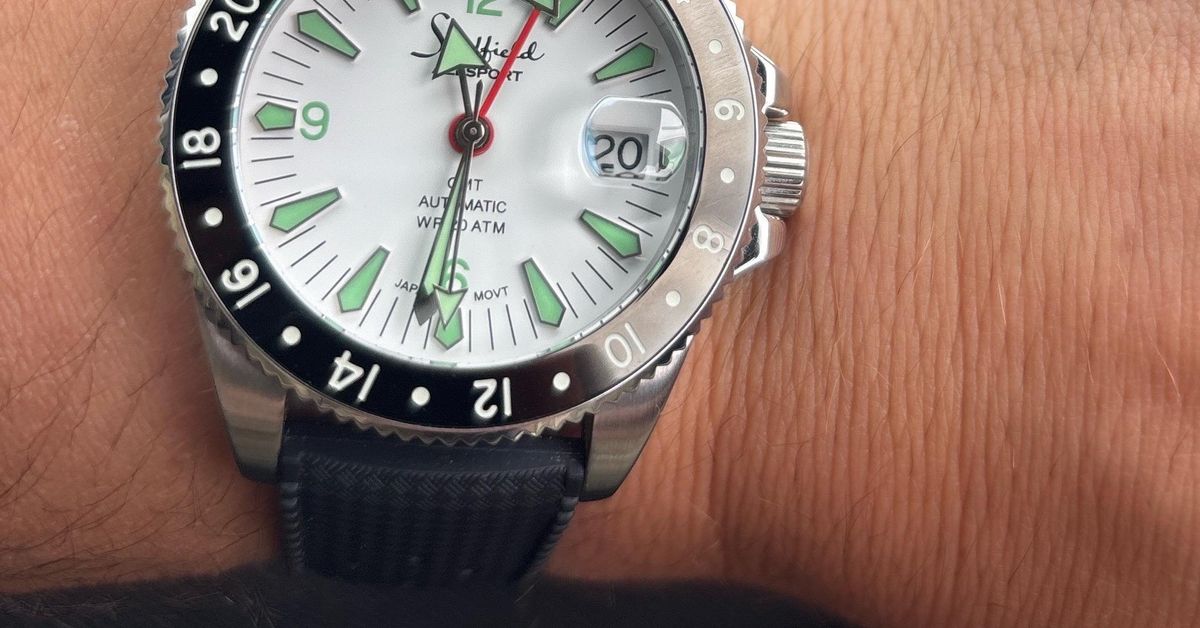
This GMT White was a gift from the owner of Sheffield Watches, who is awesome. Retail price: under $250.
It got the most wear during a month-long work trip to Australia. I needed a GMT watch to track time zones, and the Sheffield performed flawlessly.
Why it surprised me:
I didn't expect to bond with it. It's affordable. It's not Swiss. It doesn't have heritage or hype. But it's just incredible.
Clean white dial. GMT function that actually works. Comfortable bracelet. At under $250 retail, this is an insane value. Sheffield makes amazing, affordable watches, and this proved it.
Cost-per-wear: $0 (it was a gift). But even at $250 retail ÷ 55 days = $4.55 per wear. For a watch I'll own for decades, that's nothing.
The Watches That Got Left Behind
Victorinox Swiss Army Alliance — 5% (18 Days)
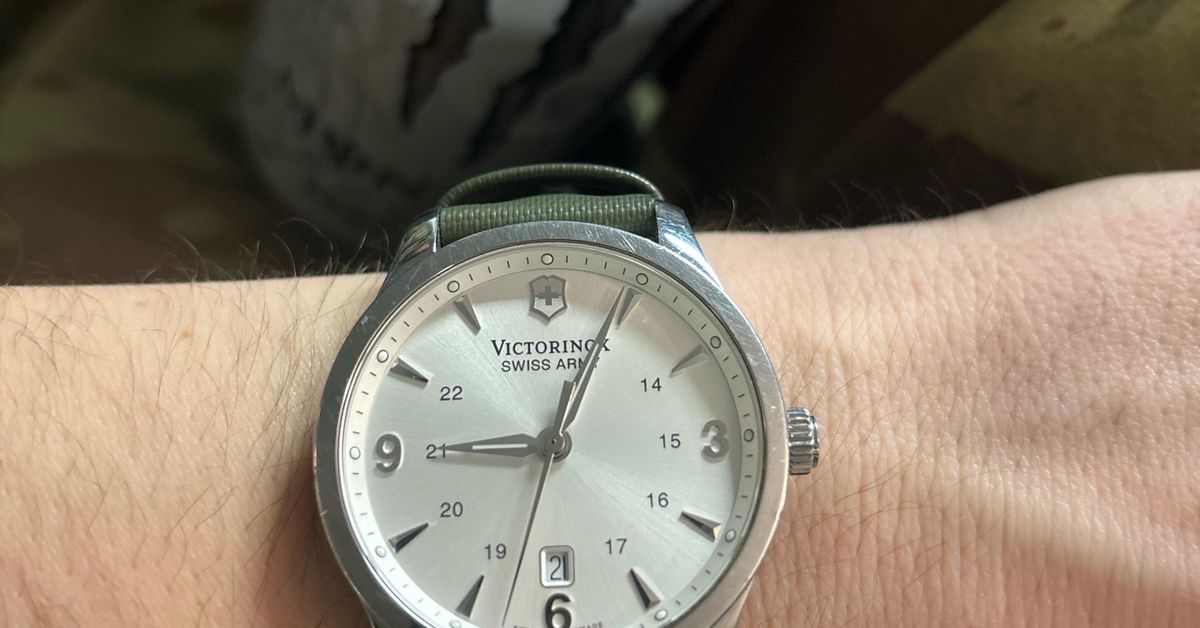
I wore this during a three-week training exercise in interior Alaska. It survived. It's tough. But it’s not my favorite to wear.
It's a watch I own because it's practical, I still like it and it was a gift from my parents after completing grad school.
The Bottom Tier: Garmin, Hamilton, Seiko, Serica — 14% Combined
This is where the data gets uncomfortable.
Hamilton and Serica: I sold both in 2025. Great brands. Great watches. But the data proved what I didn't want to admit—I didn't love them. They didn't give me that feeling when I looked down at my wrist. So I made room in the collection and let them go.
Seiko: I like Seiko. But mine is huge. It's a tank, and it wears like one. I respect it, but I don't reach for it.
Garmin: It's a smartwatch. It tracks workouts. It's functional. But it's not a watch I wear for enjoyment. It's a tool, and it gets treated like one.
None of these watches cracked 10% of my wrist time. That tells me everything I need to know.
What Surprised Me
I Didn't Expect the Rolex to Dominate This Much
I tried to rotate. I really did, I swear. I told myself every watch in my collection deserved wrist time. But the Explorer II kept winning.
Part of it is the OP Date 34mm (also Rolex) sneaking into that 45%. It's such a sneaky cool watch—understated, versatile, just works. Between the Explorer II and the OP Date, Rolex owned nearly half my year.
The Sheffield Got Way More Time Than I Expected
I didn't think a sub-$250 watch would earn 15% of my wrist time. But it did. And not just because it was free.
The Sheffield GMT White is legitimately great. I wore it in Australia for a month and it never let me down. I also wore the Sheffield 1A Dive watch on a 10-day trip to North Carolina, and it spent most of that time in the pool. Sheffield makes amazing, affordable watches. The data proved it.
The Hamilton and Serica Got Way Less Time Than I Expected
I thought I'd wear them more. I didn't. The data forced me to admit I wasn't in love with them. So I sold them.
That's the value of tracking. It removes the emotional excuse-making. The numbers don't lie.
Subscribe so you don’t miss anything! 👇
Cost-Per-Wear: The Brutal Truth
Let's do the math.
Rolex Explorer II:
$9,500 ÷ 164 days = $57.92/day in 2025.
Projected over 10 years at 150 days/year: $6.33/day.
Omega Aqua Terra:
$3,500 ÷ 77 days = $45.45/day in 2025.
Sheffield GMT White:
$0 (gift), but retail $250 ÷ 55 days = $4.55/day.
The most expensive watch I own has the highest cost-per-wear in year one. But it's also the watch I'll wear for the next 30 years. The math works if you commit to wearing it.
The Sheffield—affordable, functional, no emotional baggage—has the lowest cost-per-wear and will likely stay that way.
But here's the thing: cost-per-wear only matters if you actually wear the watch.
The Hamilton and Serica? Didn't matter what they cost. I wasn't wearing them. The data proved they were dead weight.
The 80/20 Rule Explained
The Pareto Principle states that 80% of results come from 20% of efforts.
In watch collecting, that translates to: 80% of your wrist time goes to 20% of your collection.
My data proves it. Three watches out of eight got 81% of my wrist time. The other five watches combined for just 19%.
Most collectors won't admit this. They'll insist they rotate evenly. They'll say every watch in their collection gets worn. They're lying. To you and to themselves.
The reality is: you have favorites. And your favorites get worn. The rest sit in a drawer, waiting for a day that rarely comes.
What I'm Doing About It
I sold the Hamilton and Serica. The data proved I didn't love them, so I let them go.
I'm keeping the Rolex, Omega, and Sheffield. Those three earned their spot. The rest? I'm evaluating.
The Victorinox is practical but was unloved last year. The Seiko is respected but unworn. The Garmin is tech, not a watch.
Do I need to keep watches I don't wear? The data says no.
What This Changes Going Forward
1. I'm Done Buying Watches "For Variety"
Variety is a trap. I thought I needed options. The data proved I don't. I wear the same three watches 81% of the time. Why own eight?
Going forward, I'm only buying watches I know I'll actually wear. If it's not a hell yes, it's a hard no.
2. I'm Prioritizing Emotional Connection Over Specs
The Sheffield has “worse” specs than the Omega. But I wore it almost as much because I enjoyed wearing it.
The Rolex has the “best” specs in my collection. But that's not why I wear it. I wear it because of how it makes me feel.
Specs don't matter if you don't love the watch.
3. I'm Accepting That I'm a "Three-Watch Guy"
I thought I was a collector. Turns out I'm just a guy who wears three watches and owns five others he doesn't need.
That's fine. Three is enough. Three is honest. (For now…)
The Lesson
Most watch collectors are lying to themselves.
They'll tell you they rotate evenly. They'll insist every watch in their collection gets worn. They'll justify the 10-watch collection by saying "I like variety."
But if they tracked their data—like really tracked it—they'd see the same pattern I did: 80% of wrist time goes to 20% of the collection.
The rest just sits there. Watches sitting in drawers. Money tied up in pieces you don't wear. The illusion of variety masking the reality that you have clear favorites and you're not honest about it.
Track your data. Be honest about what you actually wear. Then make decisions based on reality, not the story you tell yourself.
The 80/20 rule is real. And your collection proves it.
What's your watch gameplan for 2026?
Watches count time. Your choices make the time count.
—Ian